
Category: Uncategorized


Text-participant
A valuable resource provided by Linda Willis and Narelle Daffurn that provides all data that relates to how the student is able to make meaning of the different texts. This is as they draw from their prior knowledge or understanding for what the author is portraying. Its a resource that is to be always considered in the selection of different texts for the class where it provides a range of questions that a text-participant asks relating to both written and visual texts.

Before the text is read an introductory task will begin with a short activity involving students having their eyes closed. In complete darkness the teacher will find an item in the class to describe without being told what the item is to which they will have to guess what it is. In completing this they will discuss the level of difficulty in finding the right terms to describe an item without revealing what it is. They will also be asked as to how will this differ from seeing the item?

The activity will follow the read-aloud session of the text. As students have an idea of what items belong to the specified colour, the learning will now be further expanded upon as the following activity will now be used to create a deeper meaning of their favourite colour using all of the human senses. Prior to this, the learning will be modelled and delivered as a whole class discussion as the human senses are revisited.

This activity will involve students selecting their favourite colour and writing it in the middle before going through each box and identifying what it would look, smell, taste, feel and sound like. This will be as they “discuss the characters and settings of different texts and explore how language is used to present these features in different ways” (ACELT1591). Their responses will vary but they will be able to dig deeper into the colours in their description of various items.


Students will be introduced to a new thought as to who they think was the smartest of them all. And the only way to discover this will be in the production of a character inference chart of all animals in the story. This activity will be performed in groups of five as each takes on each character (snake, owl, fox mouse and the Gruffalo). Each student will recall the facts, quotes, actions and thinking of their character to which they will come to a deeper understanding of who their character is. From this, they will be able to identify how the mouse was cunning in using the Gruffalo as his ‘silent’ bodyguard from all other animals that could’ve attacked the mouse.

As the Gruffalo is now gone, the students may now put up a ‘Wanted, Dead or Alive’ posts around the class describing the features of who they are looking for. This will mainly draw on their descriptive terms that would provide a clearer image for those seeking him.
Text-user
A valuable resource provided by Linda Willis and Narelle Daffurn that provides all data that relates to how the student is able to use the different texts. Its a resource that is to be always considered in the selection of different texts for the class where it provides a range of questions that a text-user asks relating to both written and visual texts.


The activity is an introduction to another subject learning in the upper Year levels (Year 3+) for example, Humanities and Social Sciences (HASS). It involves students providing a recount as to the events that occurred in the text requiring them to draw from their prior knowledge and learning. The two separate sheets will assist both the emergent and fluent writers/readers. The initial part of the activity will be discussed in front with the class as its focus will be created to invoke their initial thoughts about what history was like using the terms associated with it e.g. civil rights (My Dream of Martin Luther King) or knowing that success has a beginning (The Dot). The language that the authors use will initiate a certain feeling for us as the reader.

Within the activities they will allow students to recall on what actions that occurred throughout the text. For the more fluent readers/writers, they may go a little further in describing the emotions that Martin Luther King or Vashti would have been feeling in that particular situation and moment. For the more fluent readers/writers, they may go a little further in describing the emotions that Martin Luther King or Vashti would have been feeling in that particular situation and moment as they “make connections between the ways different authors may represent similar storylines, ideas and relationships ” (ACELT1602).

As students finally have a grasp of the text and the message that was being depicted by the author, they may summarise their work in writing their own ‘I have a dream’ speech that portrays what they would like to see.
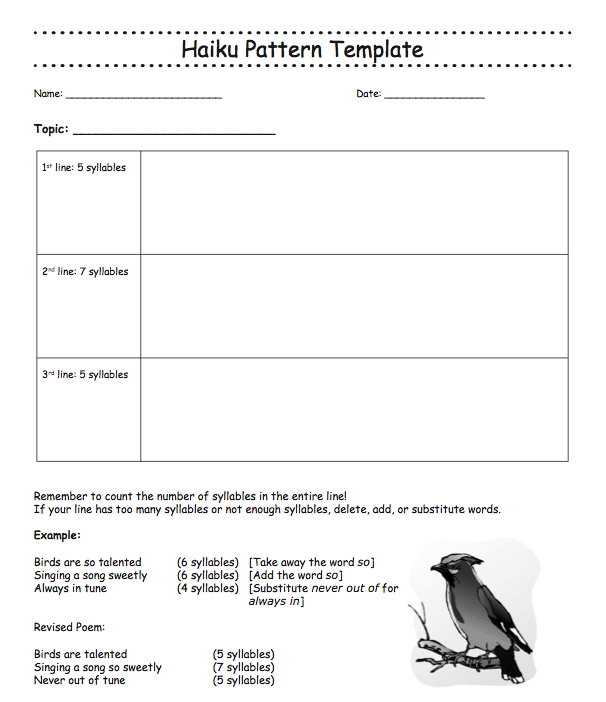
Haiku can be considered for students to bring forward their own thinking as it relates to a text that they are reading. Due to its format the students will thinking at a deeper level concerning the characters, events or scenarios that they are reading about.
Text-analyst
A valuable resource provided by Linda Willis and Narelle Daffurn that provides all data that relates to how the student is able to analyse the different texts. This is as they look for deeper meanings to what the author has depicted. Its a resource that is to be always considered in the selection of different texts for the class where it provides a range of questions that a text-analyst asks relating to both written and visual texts.

The activities would be best undertaken after the book has been read, students will have developed an idea from the beginning of the read-aloud session the different characters in the text and how they are reacting differently to different situations in various texts. Within the texts read, students will try and “identify the audience purpose of imaginative, informative and persuasive texts.” (ACELA1678), which will be in the key words and images being portrayed.

The activity above will be used to gain students initial thoughts as it relates to ants. This will also be an introductory lesson into writing. This is as they create a collection of single terms (emergent writers) or simple sentences (early/fluent writers) that they feel will best describe their thoughts.

As they progress and are able to connect their sentences together, students will work in pairs as they each take on the role of either boy or ant. Throughout this session, students will “contribute to conversations and discussions to share information and ideas and negotiate in collaborative situations.” (ACELA1676). A key focus will be in the terms used in their discussions that makes for good reasoning as to why the ant should or shouldn’t be squashed. The language of appraisal will be identified here in the use of terms used by each character

Selecting a phrase from the text to use as an example and working together with students in identifying the terms that imply how different characters are feeling. This will be a cause for the reader to try and identify Identifying if feelings or emotions are present at all, if so, what are they? What words describe this? How does this make you (the student) feel?

Providing them with the ‘Inference Jigsaw’ as other phrases from different crayons in the text are selected as students make inferences as to what each crayon is saying.

Code-breaker
A valuable resource provided by Linda Willis and Narelle Daffurn that provides all data that relates to how the student is able to decode the phonemes and graphemes that are present in different texts. Its a resource that is to be always considered in the selection of different texts for the class where it provides a range of questions that a code-breaker asks relating to both written and visual texts.


The grapheme cards will further support the texts and the wordlists that are read. These will allow students to become more familiar not only with the sounds that are produced with one character but will be further expanded as they will now see how two and later three characters will be able to produce the same units of sound e.g. ou / ow; f / ff / ph. This will be as they “manipulate phonemes in spoken words by addition, deletion and substitution of initial, medial and final phonemes to generate new words” (ACELA1457). This will allow them to see how these different letter-sound combinations are implemented into how different words are spelt e.g. aloud / allowed.

As students “discuss features of plot, character and setting in different types of literature” (ACELT1584) they will be able to explore some features of characters in different texts as in homophones. These will be laminated and attached to walls for students to have in sight and mentally stored for when they encounter different words than those they already know.


The wordlists and grapheme cards mainly deal with the assisting students in their phonemic awareness as they identify the characters of the letters that they see and the sounds that the characters produce. The range in the units will be able to assist students at different levels from the beginning Yr One student to the later year levels that haven’t quite fully understood the distinct units of sound that it produces. This will greatly assist students who have English as another Dialect or Language as although they will already familiarity with the single letter-sounds relating to their own mother tongue but the variation in the units may help the teacher identify the appropriate beginning point to help them catch up.

The brown-bear activity is an activity that may be completed in two ways depending on the learning level of the class. It may be undertaken as a whole class investigating two animals at a time (from the text) using the whiteboard where the whole class will work on vocabulary with subsections that would describe each animal e.g. Brown Bears – ARE / HAVE / CAN. Or it may completed in pairs with all different animals being distributed throughout the class before discussing any similarities or differences between their animals.

A cut and paste activity that will revisit children’s recollection of the story recalling the animals used and their allotted colours.

The storyboard or A4-sized whiteboards will be used as an all class activity after a teaching session that relates to the structure in a simple sentence that involves a) a subject; b) a verb and c) the surrounding circumstance at the basic level. In their table-groups each will be given the opportunity to create a) subject; b) verb and c) surrounding circumstance with a volunteer to stand up with others as they read the genuinely-created sentences.
The Journey Begins: Texts that support the Four Resources Readers

Code-breaker
- Brown Bear, brown bear, what do you see? by Robert Munsch
- ABC. by Dr Seuss
- We’re going on a bear hunt. By Michael Rosen
- The greyhound and the groundhog. By Emily Jenkins
- Dear Deer. By Gene Baretta
Text-participant
- The Black book of colours. By Menena Cottin
- The Gruffalo. By Julia Donaldson
- 11 Experiments that failed. By Jenny Offill
- The paper-bag princess. By Robert Munsch
- Sir Cumference and the first round table. By Cindy Newschwander & Wayne Geehan
Text-user
- The Jolly postman. By Janet Ahlburg
- My dream of Martin Luther King Jr. By Faith Ringgold
- The Grand Canyon. By Jason Chin
- The Dot. By Peter Reynolds
- Bee calm. By Frank Sileo
Text-analyst
- Hey, Little Ant. By Phillip and Hannah Hoose
- The day the crayons quit. By Drew Daywalt
- The little engine that could. By Watty Piper
- Charlottes Web. By E. B. White
- The Lorax. By Dr. Seuss
- The true story of the three little pigs. By Jon Scieszka
Resources that I have tried and tested.
Below are the resources that I have tried and found to be of great value. They will also be what I will be depending on in my teaching career especially in the field of English as a subject. These are worth mentioning due to its great learning opportunities that each of the following resources have provided. They have provided for me as a pre-service teacher with many more alternatives as to how readers may gain more understanding of the texts they’re reading and especially for those who have just begun on their own learning journey.
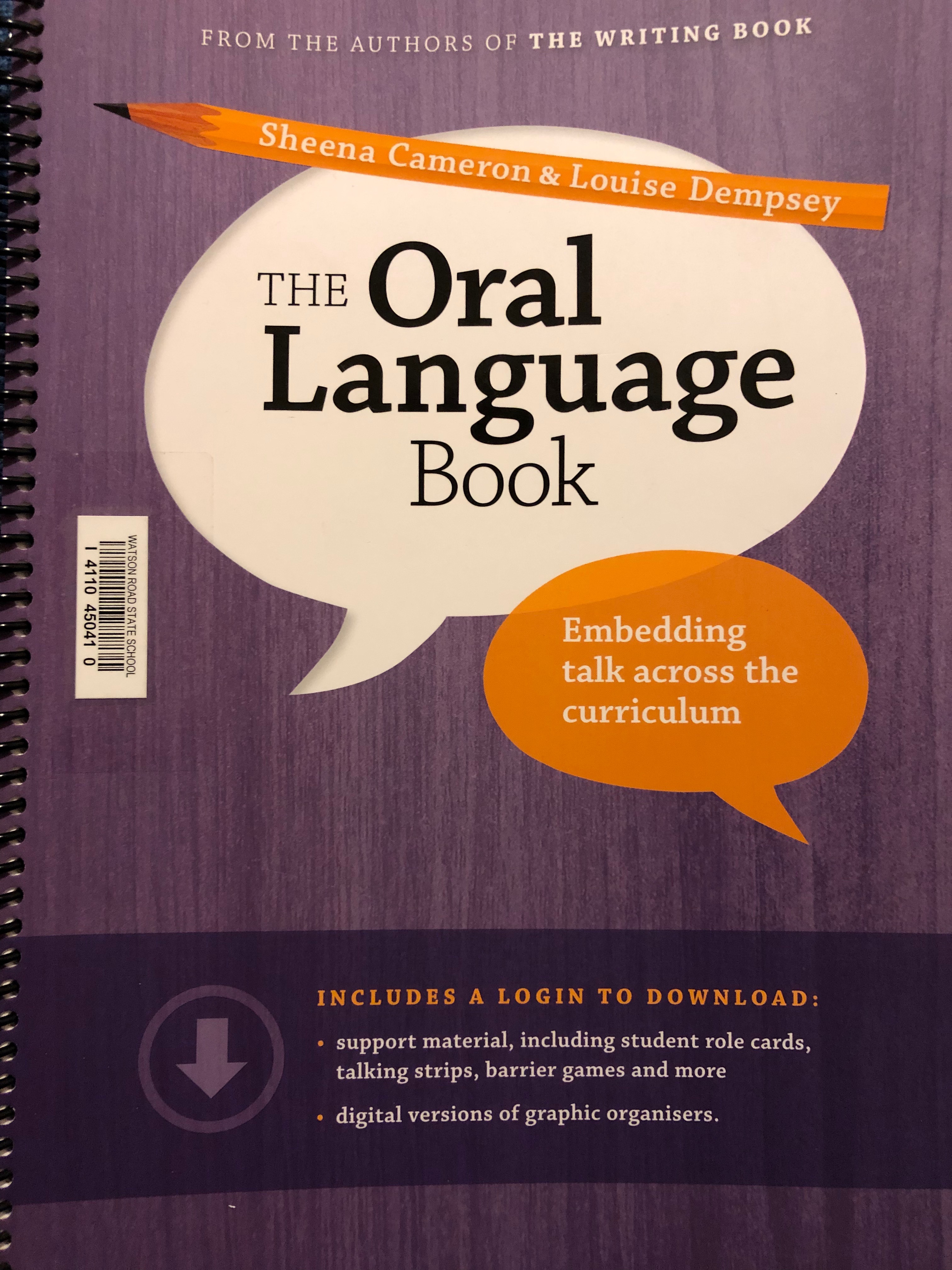
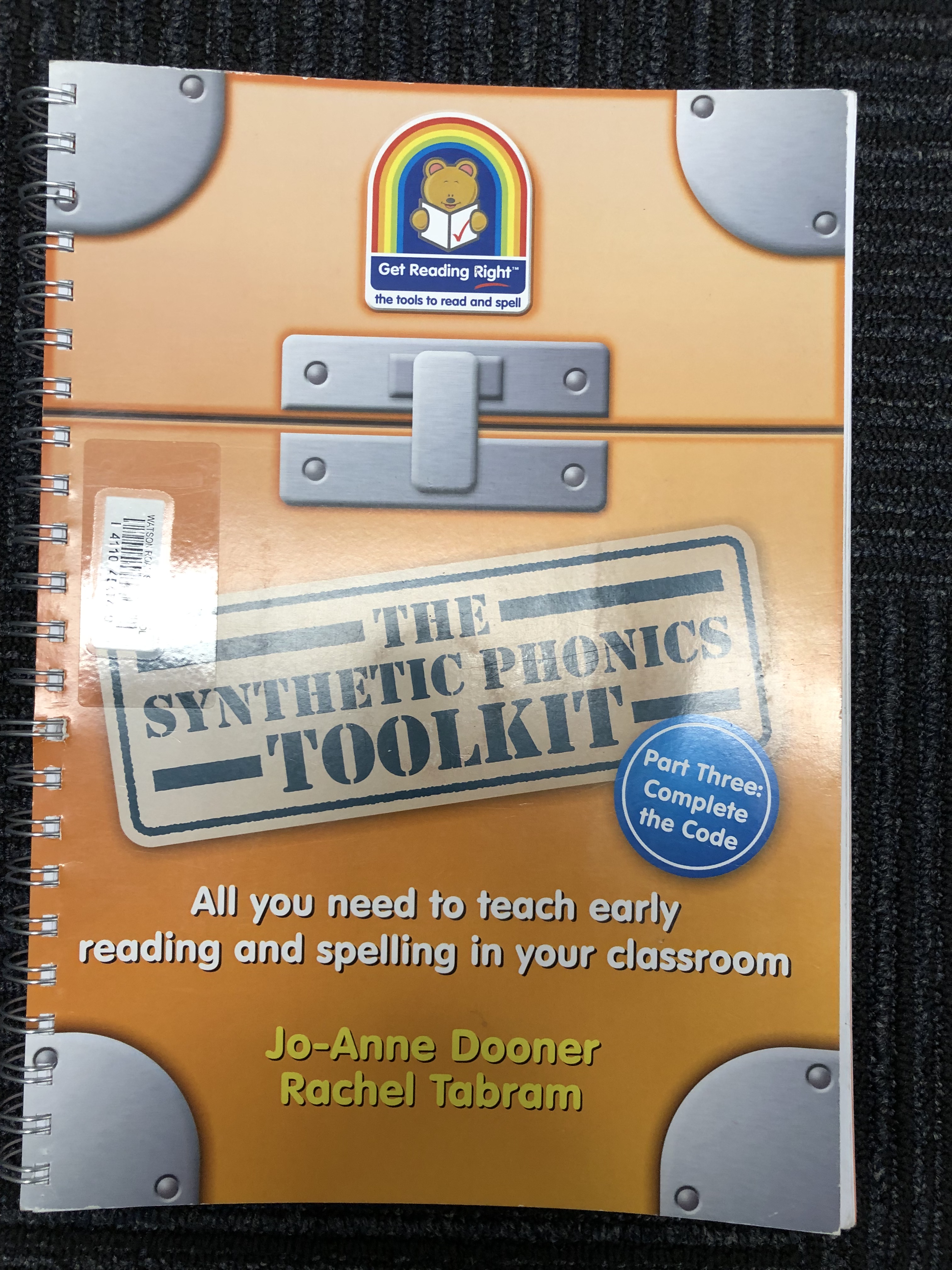
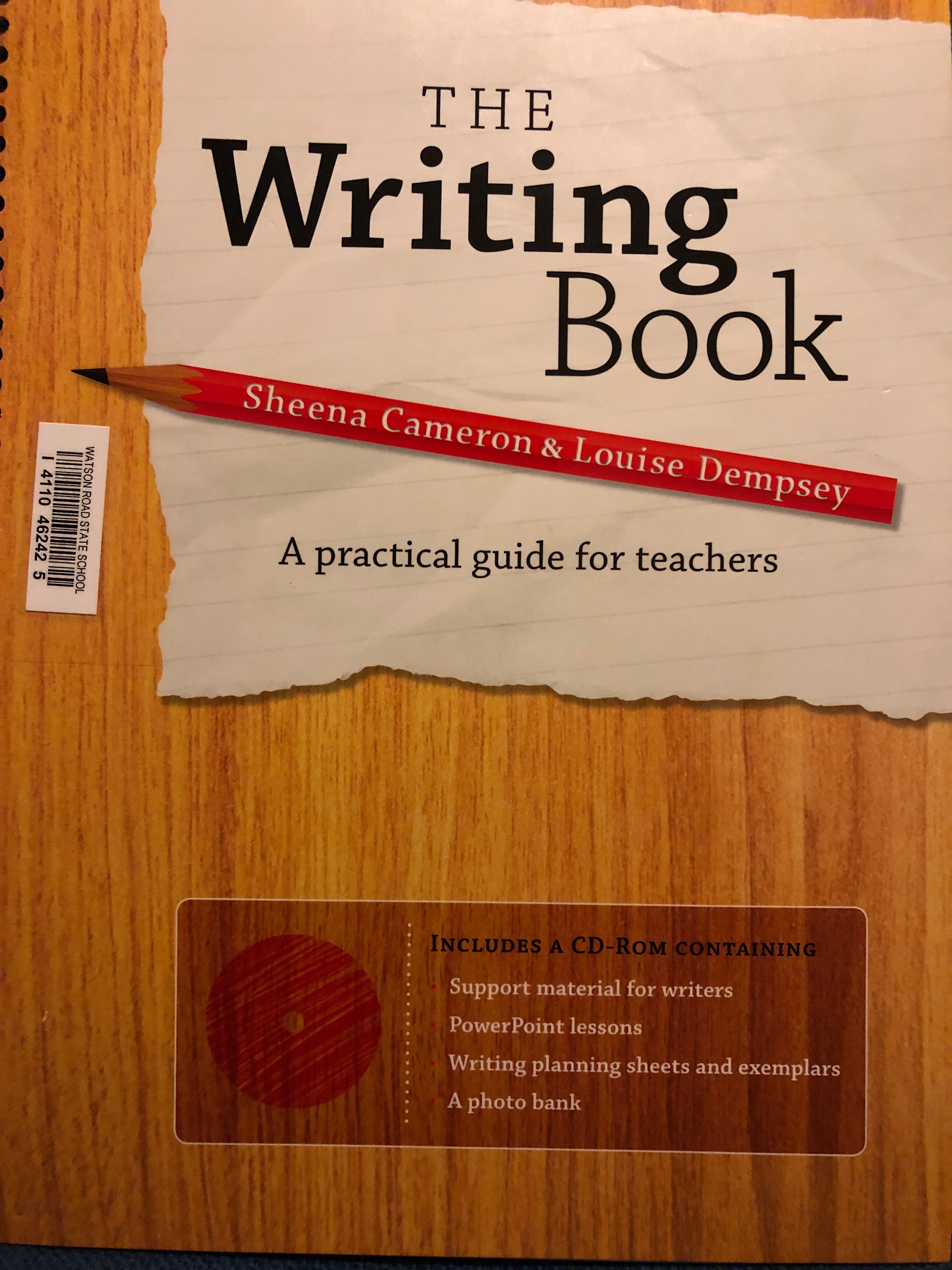
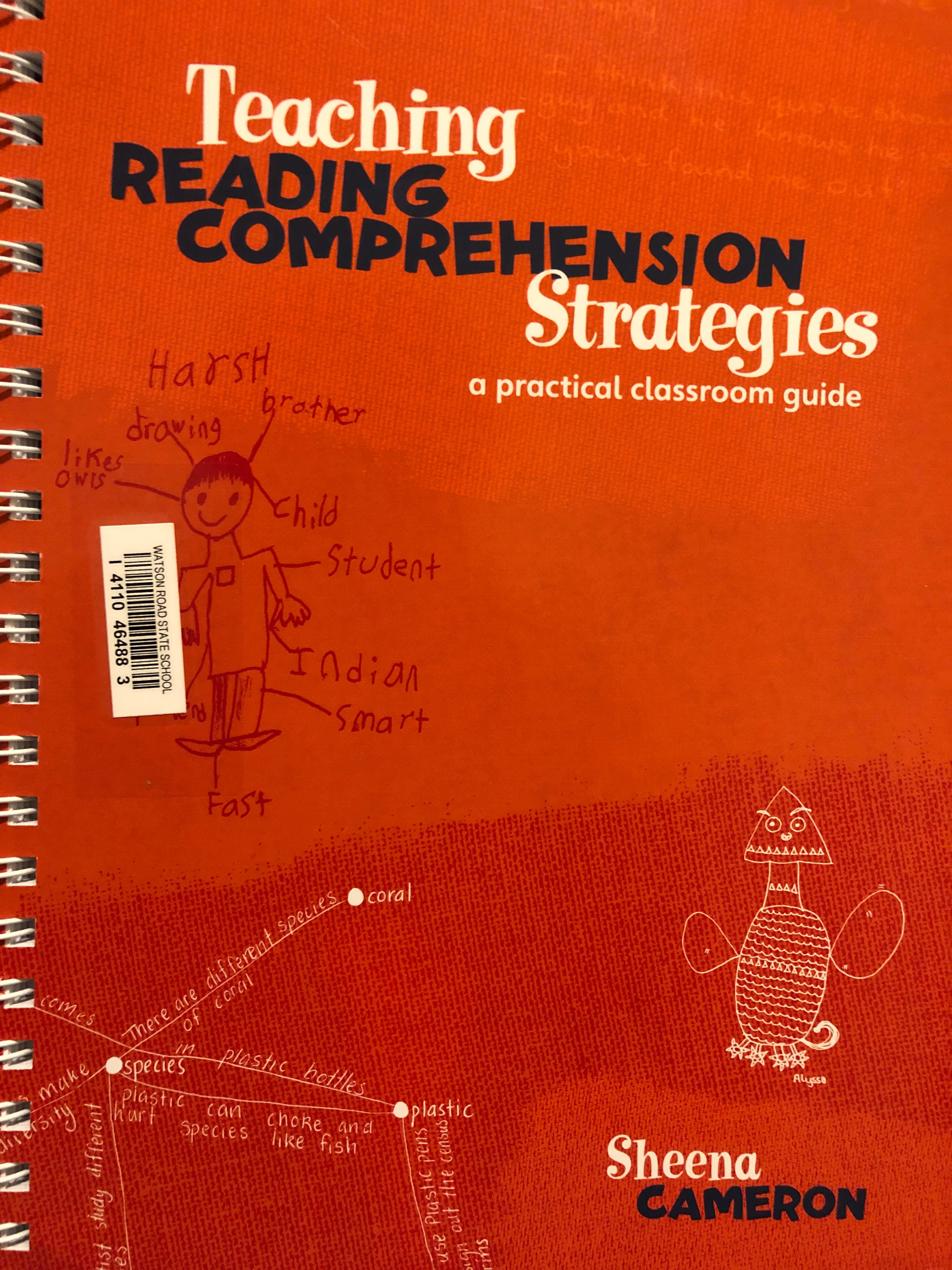
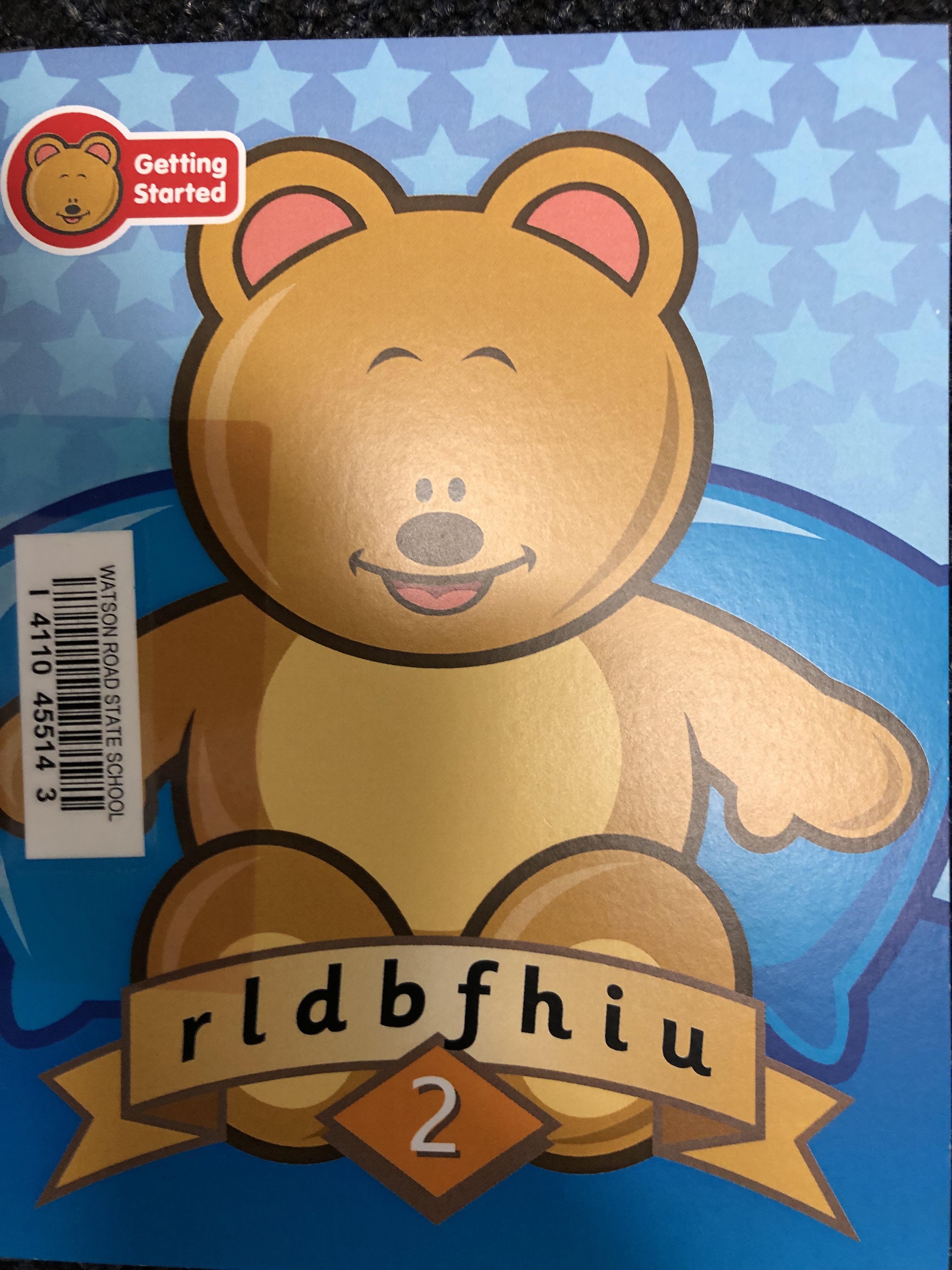
In addition to these are the following:
- First Steps – The Department of Education of Western Australia
- http://www.readwritethink.org/
- www.Jollyphonics.com
- Australian Literacy Educators Association: www.alea.edu.au
- Victoria State Government, Education and Training: www.education.vic.gov.au (under for schools – Teaching materials & methods – literacy & English – literacy teaching toolkit)
- Get Reading Right: http://www.getreadingright.com.au
- AITSL: www.aitsl.edu.au
- Australian Association for the Teaching of English: www.aate.org.au
- Teaching Children Philosophy: www.teachingchildrenphilosophy.org
- Scootle: www.scootle.edu.au
- TES:
- Teaching ideas: https://www.teachingideas.co.uk/
 English & Literacy - FOUR RESOURCES MODEL